The Hard Day: What Nobody Tells You About Hut to Hut Trekking
Everyone loves to post the summit photo. Nobody really talks about day two.
On my first multi-day trek, day two was the day I started wondering what I had gotten myself into. My feet hurt. The climb felt endless. I remember stopping on a switchback, looking up at how much farther we still had to go, and thinking: I may have seriously overestimated myself here.
But I finished that day. And then I got up and did it again the next morning. And the next.
A few days later, I was walking through those same mountains feeling stronger and so much more confident than I had at the beginning.
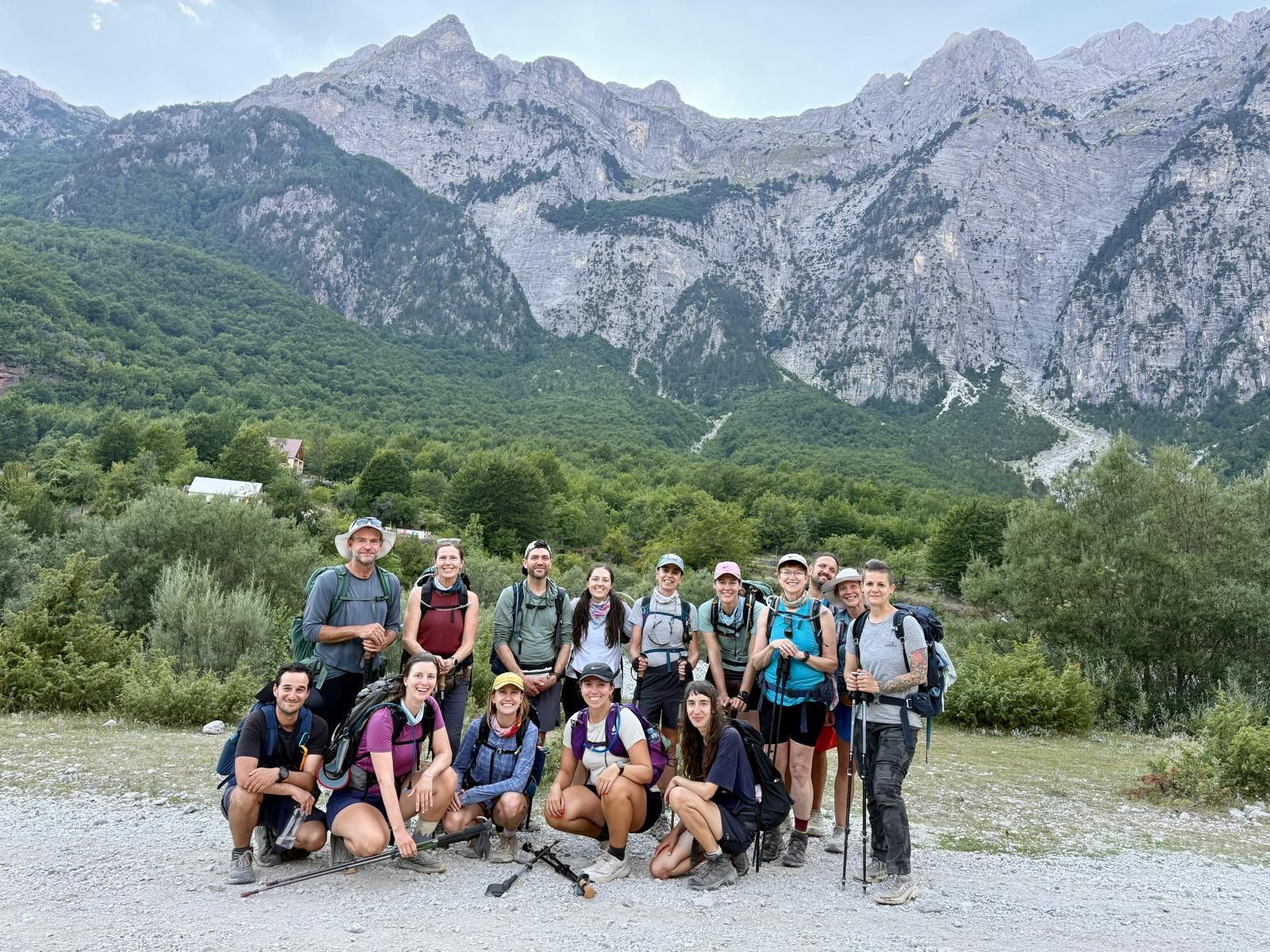
After hosting a lot of group trips since then, I've learned that this is not a me thing. It happens to almost everyone.
Here is the full breakdown.
Why day two is usually the hardest:
There's a specific moment on most treks when someone is tired, sore, staring up at another climb, and thinking why did I sign up for this? It tends to land on day two, and there are a few reasons for that.
You went out too fast on day one. This is the big one. You're excited, the scenery is incredible, your legs feel great, and you hike faster than you should. Your body doesn't send the bill until the next morning.
Your body hasn't adapted yet. Day one is a shock to the system. By day four or five you've adjusted, but day two is right in the middle of that adjustment, with none of the benefit yet.
The novelty has worn off slightly. Day one is thrilling because everything is new. Day two is when it starts to sink in that you are doing this again tomorrow, and the day after that.
Small problems have had time to become real ones. The hot spot you ignored on day one is a blister on day two. The pack strap you meant to adjust is now a sore shoulder.
None of this means you're not capable. It means you're on day two.
Three things that make the hard day easier
Go slower than you think you need to.
It's really easy to come out way too fast on the first day because you're excited and feeling good. Then your body reminds you on day two.
I try to hike at a pace where I can still have a conversation without feeling totally out of breath. If you're gasping, you're going too fast, even if it feels manageable in the moment. On a single day hike you can get away with that. Over eight or nine consecutive days, you cannot.
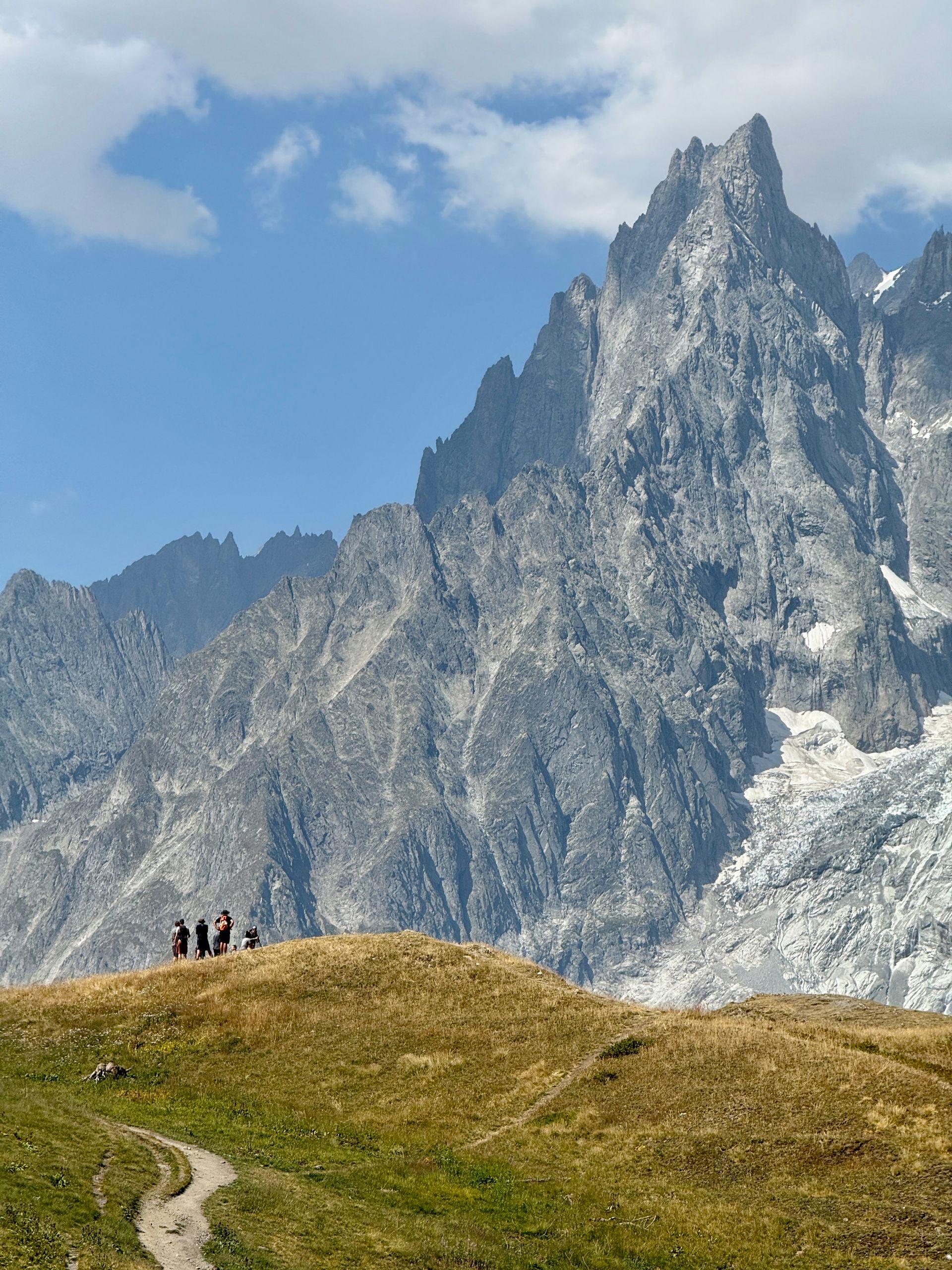
The TMB is not easy. You are still climbing thousands of feet a day with a pack on. But the trail itself is wider, better maintained, and far more forgiving of a tired step. That difference matters more than the mileage does.
This is genuinely counterintuitive when you're fit. Being able to go faster doesn't mean you should.
Take care of your feet immediately
If something starts rubbing or you feel a hot spot, stop. Seriously.
I know it's annoying to take your shoes off when everyone else is hiking. I know you feel like you're holding people up. But five minutes of dealing with it early can save you from days of walking on a blister, and a bad blister genuinely can end a trek.
Carry tape or blister plasters somewhere you can reach without unpacking your whole bag. If it's buried, you won't stop.
Eat before you feel like you need to
This is a big one for me. That late-afternoon "I cannot possibly take another step" feeling is often just your body asking for food.
Snacks solve a surprising number of problems on the trail. If you're suddenly miserable at 4pm and can't work out why, eat something before you conclude anything about your fitness or your life choices.
What happens after the hard day
Here's the part I find genuinely remarkable, and it's the reason I keep going back.
You get to see what happens when something is hard and you keep going anyway.
A few days later, that same person who was struggling on the climb is walking stronger, feeling proud of themselves, and realizing they're capable of a lot more than they thought. You realize your body can do more than you expected. You get a little more confident. And sometimes you come home looking at the rest of your life a little differently too.
That feeling is hard to explain until you've experienced it.
One of my favorite parts is seeing what happens after a trip. People go home feeling strong and inspired, and then a few months later they sign up for another one.
So how do you prepare for it?
You can't skip the hard day entirely. But you can make it much smaller.
Train for back to back days. One big Saturday hike doesn't prepare you for waking up on tired legs and doing it again. Two moderate hikes on consecutive days teaches your body far more about what a trek actually feels like.
Train the descents. Climbing burns your lungs. Descending destroys your quads and knees, and on most mountain treks going down is half the job.
Break in your footwear properly. Blisters on day two are largely preventable, and they're preventable months in advance rather than on the trail.
Pick a route that matches where you are. Some treks are much more forgiving for a first multi-day hike than others. The Camino Frances and the Cotswold Way are gentler entry points. The Alta Via 1 and the Tour du Mont Blanc ask considerably more of you.
If you're deciding between routes, I've written an honest comparison of those four, including which one I'd steer a first-timer away from.
The takeaway
Having a hard day doesn't mean you're not capable of doing this.
Hard days are just part of hiking. Almost everyone has one, usually around day two, and almost everyone gets through it and comes out the other side stronger than they went in.
That's not a consolation prize. It's most of the reason to go.

My Verdict:
If I could only do one, I would pick the Tour du Mont Blanc. Barely. It is like choosing a favorite child.
The AV1 is the more impressive trail and the more impressive accomplishment. But the combination of three countries, incredible food, mountain villages and views that keep reinventing themselves makes the TMB the most complete experience I have ever had in the mountains.
That said, I have never once regretted a day on the Alta Via 1, and if you are an experienced hiker who wants to be genuinely challenged, it is the one that will stay with you.
Planning your first multi-day trek?
My digital guides cover the routes I've walked myself, with day by day itineraries, hut booking details, packing lists, and training plans built around each route's actual terrain. Browse the guides here.
Would rather go with a group? We run small hut to hut treks with the logistics handled, usually 12 to 14 people. See where we're headed next.
I also film most of these trips, so if you'd rather see what these days actually look like, the videos are on YouTube.
Happy Trails!
Melanie